


News
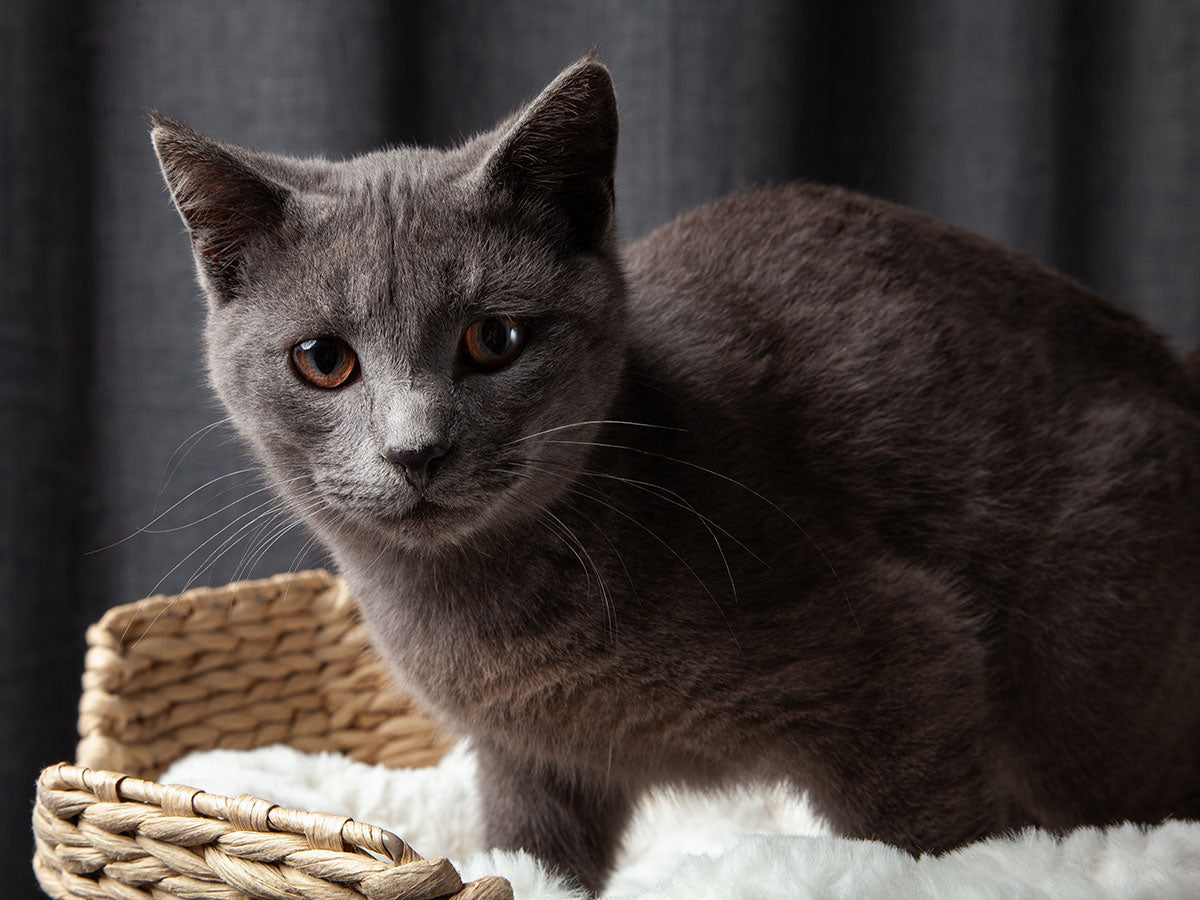

How to choose an outdoor cat tent for your pet?
Cats are popular pets in the US, with over 45 million families having one or more cats. Cat parents are eager to help their pets lead a happy and healthy lifestyle, taking proactive measures to provide them with outdoor exercise. One of the best ways to help your feline friends is to invest in an outdoor cat enclosure. Enclosures like cat pens and tents can be perfect for stimulation and entertainment, ensuring long-term benefits for feline well-being. An outdoor cat tent can help your pet enjoy the beauty of the outdoors without risking their safety. You can invest in a high-quality tent to transform your feline friend’s outdoor experience. Let’s discuss everything you need to know about buying this innovative solution to entertain your pets. Outdoor Cat Tent: What Is It? A cat tent is a portable enclosure to keep your cat safe while they enjoy the outdoor views. It is an easy-to-set-up structure with a transparent or semi-transparent design to allow your pet to look at the scenery. This cat enclosure has ample space for the cats to play, allowing them to experience the outdoors without stepping out of their safety net. Advantages of Cat Tents An outdoor cat tent helps your feline friends enjoy the following benefits: Stimulating the Senses: Cats often get bored when they stay indoors for a long time. Allowing them to play inside a tent can stimulate their senses by offering a change of scenery. They can walk around on the grass while staying safe within a secure tent. Alleviates Anxiety and Stress: Cats may experience anxiety and stress when stuck indoors. Bringing them outside and providing an innovative play experience can minimize their anxiety and improve their mental well-being. Protects Your Pet: When cats play outdoors, they may face attacks from predators or run into other safety hazards. A cat tent can safeguard them from these risks and keep them out of harm’s way. Tips to Choose the Perfect Cat Tent You should choose a high-quality cat tent to arrange quality playtime for your pets. The following tips can guide you: Go for a Durable Product: Cats love to scratch and play with any material they find. That is why it is crucial to invest in a durable cat tent so your pet cannot tear it or make holes in it. A durable product will ensure your cat’s safety for a long time. Check the Breathability: The outdoor tent must be breathable and airy to ensure your pet remains happy and comfortable. A high-quality mesh tent can be an excellent choice for a congenial play environment. Look for Easy-to-Install Tents: Portable, lightweight, and easy-to-install tents are convenient for cat parents. You should explore cat tents one can set up in less than a minute for a quick and easy experience. Shop from a Trusted Company: You should buy your pet products from a reliable company that offers top-notch customer service. A trusted company will help you resolve your queries and concerns while installing and using the pet products. You can explore the complete range of cat fences, enclosures, and accessories on the Purrfect Fence website. Check out their high-quality products like outdoor cat perches, catios, and more to help your feline friend have a great time!
Learn more
Ways To Provide A Healthy Outdoor Lifestyle For Your Cats
Deciding whether; you should keep your cats indoors or let them roam outdoors is a tough choice. According to International Cat Care, 90% of cat owners allow their cats outside, whereas only 10% of the owners prefer to keep their cats completely indoors. Providing a safe environment by installing catios for cats or outdoor cat playpens is an efficient way to ensure that your cat has a healthy overall development. Why is it important for cats to be outdoors? Veterinary experts believe that outdoor exposure for cats is necessary for their overall growth and development. Cats have the instinct to explore their environments and carefully assess their territory. But every cat has its personal preference and sometimes they prefer staying indoors to going outdoors. Studying your cat's behavior can tell you a lot about its wants. For example, if you see your cat jumping and getting excited at every little opportunity they find for going outside, then your cat needs to be let out. According to animal behavior experts, feline pets have stunted mental and physical development due to a lack of sensory stimulation. Interaction with the outside environment stimulates their perception and sharpens their reflexes. Allowing outdoor time for cats is essential and there are a few ways in which you can ensure the safety of your beloved pets. Taking them on walks: Walks are a great way to ensure that your cat is; receiving fresh air and is a healthy exercise for them. With you accompanying them on the walks, they will not wander off on their own and face danger. Building catios: Catios for cats are outdoor cat enclosure that is made with a screen or mesh covering, providing them enough room for playing, exercising, and exploring the outdoors. Catios reduce the risk of injury and prevent them from contracting pests that may cause diseases. Outdoor cat perch: Whether it's an indoor cat or an outdoor cat, cats love climbing. Outdoor cats often climb up trees and chimneys and get stuck there. Outdoor cat perch is an excellent alternative that solves the problem. Your cats can enjoy climbing and you don't have to worry about rescuing them from tree tops or rooftops. Building cat fences: If you want to give your fur babies extra outdoor space for them to explore and don't like the idea of enclosures, then cat fencing is for you. Cat fencing systems; are designed and developed to ensure the safety and security of the cats without interfering with their outdoor interactions. It eliminates the chances of your cat escaping and also; prevents them from encountering large predators. If your cat is an outdoor cat, then Purrfect Fence can help you give your cat the perfect opportunity to; safely enjoy the outdoors. Purrfect Fence is a cat-proofing fencing company that has patented cat-fencing systems. They specialize in installing free-standing fences and cat-proofing existing fences. They also manufacture outdoor cat playpens and outdoor cat enclosures at cost-effective prices. So, give your fur baby a chance to have a healthy and happier life with Purrfect Fence today!
Learn more
5 Reasons Why Every Cat Owner Needs a Cat Enclosure
If you are a cat owner, you probably already know how your feline friends bring entertainment, joy, and companionship to your life. They create your comfort zone when you need an escape from the vicious cycle of end-of-the-day exhaustion. When your cat does so much for you, what can you do for making your feline pal happy? Well, the answer is a cat enclosure. Investing in a cat enclosure can be a great way to pamper your pet. How? Read on to find out! #1 Provides a Safe and Secure Space for Your Cat: Cats are curious creatures that love to explore their surroundings, but it's crucial to provide them with a safe and secure environment to do so. A cat enclosure offers a secure place for your cat to play, nap, and rest without any potential harm. Furthermore, it's an excellent alternative to letting your cat wander around outside and expose themselves to the danger of predators, traffic, and other outdoor hazards. #2 Promotes Physical and Mental Stimulation: Just like any other pet, felines require both physical and mental stimulation to keep them happy and healthy. A cat enclosure provides a designated area for your cat to play and exercise, which can help prevent obesity and other health problems. Additionally, a cat enclosure can also offer mental stimulation by giving your cat a new environment to explore, new toys to play with, and a place to rest and observe its surroundings. #3 Protects Your Furniture and Home: Your cat loves to scratch, and while it's a natural behavior for them, it can also lead to damaged furniture and household items. Investing in a high-quality cat scratch post can help redirect your cat's scratching behavior, but a cat enclosure can also help protect your furniture and home. A cat enclosure offers a designated area for your cat to scratch and play, reducing the likelihood of your cat scratching your furniture or walls. #4 Enhances Bonding Time: Cats are social animals that thrive on human interaction. A cat enclosure offers an excellent opportunity for bonding time between you and your cat. You can play, cuddle, and groom your cat in the comfort of their own space, strengthening your bond and trust with your furry friend. #5 Provides a Unique Experience: Finally, a cat enclosure offers a unique experience for both you and your cat. It's an opportunity to explore new textures, toys, and smells in a designated space. Moreover, it offers your cat a chance to experience a new environment without the poenclosureial dangers and stresses of the outside world. Want to spoil your cat the right way? In addition to this, you can also get your pet a cat scratch post. The scratch post is an excellent investment for cat owners as it provides a designated area for your cat to scratch, play, and rest. Your pet would love the variety and excitement, and you can try to make the cat scratch post more interesting by adding toys or treats to it. You can attach toys, such as feathers or balls, to the post or sprinkle some catnip to attract your cat's atenclosureion.
Learn more
The Advantages of Outdoor Cat Scratching Posts for Upgrading Your Catio
What are cats known for? They are famous for being adorably warm pets who throw tantrums now and then. If you don’t have scratches on your furniture or hands while getting all snuggly with your cat, you aren’t a cat parent. Felines love to mark their territory, and scratching is a part of that. They also love to roam outside, but can you love your precious kitten out in the harsh world where dangers lurk in every nook and corner? No! Fortunately, with an outdoor cat tree in a cat enclosure, you can keep your pet safe from the great perils outside. Although a scratching post may seem like an innocuous piece of furniture, the simple item can help to reduce so many headaches for cat owners by redirecting the natural tendencies of cats and improving their health. Wondering how? Whether you have a single cat at home who is extremely fond of the great outdoors, or you are the proud owner of multiple cats, here’s how cat scratch posts can keep your kitty engaged! Physical Exercise: Cats are hardwired to scratch. It serves several purposes, including stretching their muscles and maintaining healthy claws. In addition to fulfilling their scratching instinct, outdoor cat scratching posts encourage physical exercise. These structures often feature multiple levels, platforms, and interactive toys, providing space for climbing, jumping, and pouncing. Engaging in such activities helps cats burn off excess energy, maintain a healthy weight, and improve their overall agility. Mental Stimulation: Cats are intelligent creatures that require mental stimulation to thrive. An outdoor cat scratching post can offer a variety of textures, materials, and shapes for your feline companion to explore. Different surfaces, such as sisal, wood, or carpet, provide sensory experiences that engage your cat's senses. Scratching and climbing also stimulate their problem-solving skills and encourages cognitive development. With an outdoor scratching post, you can prevent boredom and enhance your cat's mental well-being. Environmental Enrichment: Cats are natural explorers who enjoy spending time outdoors. An outdoor cat scratching post offers an enriching environment for your feline friend. They can observe birds, squirrels, and other wildlife, which can help satisfy their predatory instincts. Additionally, outdoor scratching posts offer a change of scenery, allowing cats to experience new smells, textures, and sights. This exposure to the outdoors can contribute to their overall happiness and reduce stress levels. Reduced Destructive Behavior: One of the most significant advantages of outdoor cat scratching posts is their ability to curb destructive behavior. Cats often scratch furniture or carpets when they are bored, anxious, or seeking attention. By installing a scratch post, you offer your cats an outlet to alleviate any frustration or anxiety your cat may be experiencing. Conclusion How often did you want to take your adorable felines outside and let them romp in an environment you can control? Well, outdoor cat playpens can satisfy the curiosity of your cat for the outdoors without allowing them to get into mischief or run too far. Cat scratching posts in the playpens can keep your furry friends entertained, happy and healthy and prevent household items and furniture from being scratched.
Learn more
How To Let Your Cat Outside: Do’s and Don’ts
Most cats love being outside. The problem is that outside isn’t always safe for your cat. First of all, you don’t want your cat to run away. Beyond that, outside has plenty of risks from busy streets to wild animals to parasites and more. Of course, some time outdoors is healthy for your cat, and it is okay to let your cat outside for fresh air, stimulation, and exercise. As long as you keep an eye on your kitten and limit how far she can roam, outside time can be wonderful for both pets and humans. If you are wondering how to let your cat outside without it running away, we have some ideas. Do Let Your Kitten Acclimate To A New Home If you’ve just adopted a new cat—or you’ve just moved to a new home—it’s wise to not rush the outside time. Cats may feel skittish or even a bit traumatized upon first arriving in a new home, and if you let them out in this state of mind, they are more likely to try running away. Some experts recommend that cats should stay indoors for at least two weeks in a new home, but every cat is different. When your cat shows signs of comfort—like finding her food dish without you leading her there, napping while you’re in the room without sitting up tense and alert, or easily enjoying playtime in all areas of the home—these are signals that she feels safe enough to venture outdoors without wanting to bolt. Don’t Let Your Cat Out Unattended It’s okay to let your cat outside, but make sure that you go with him the first few times. This is not just to keep him from running away—you can also make sure he’s not getting into anything in your yard that he shouldn’t. Make sure you put away all potentially harmful chemicals like pesticides and fertilizers. Don’t be surprised if your cat wants to climb a tree or wander through your flower bed. These are instinctual behaviors. If you have an area of the yard you don’t want your cat to visit, a cat-proof fence is the only way to keep them out. Do Try a Leash Leashes aren’t just for dogs! If you're wondering how to let your cat outside without it running away, leash training them may be a good fit. If your cat is young or still a kitten, introducing them to a leash can be beneficial. With a leash, you can go anywhere with your cat, but—as you may guess—not all cats will cooperate with this idea. There are also some limitations. You have to be present at all times when your cat is leashed, and it's also harder for your cat to roam around when they are attached to you. Still, it’s worth giving this method a try if you have an agreeable cat. Don’t Forget to Identify Them If you’re wondering if it is okay to let your cat outside without a leash on, the answer is yes, but remember to attach the proper identification. No matter how many steps you take to keep your outdoor cat from running away, there’s always the possibility that he may escape your yard. For your peace of mind, make sure your cat wears a collar with your contact information. Many companies sell GPS cat collars that you can track on your phone if you ever needed to. Alternatively, you may consider getting your cat microchipped. This process is quick and painless for your cat, and your vet should be able to insert the chip in just a few minutes. Do Consider Outdoor Cat Enclosures No matter what brand of cat collar you buy, the best way to let your cat outside without it running away is to install an outdoor cat enclosure. There are many different kinds of outdoor cat enclosures to consider, and they are a great way to keep your cat safe while they roam outside. Some outdoor cat enclosures are permanent structures that sit on your property, while others are portable. It is okay to let your cat outside in one of these enclosures as they still provide ample space for your adventurous kitten to explore. Not only do they prevent your cat from escaping, but they also keep outdoor hazards away from your cat. A fully enclosed outdoor cat enclosure is a fantastic option if you have enough room for one. If you are looking for something smaller, a catio will fit on your patio or in a smaller yard. Outdoor cat enclosures are a fantastic way for your cat to get outdoor time from the safety of your property. You can just place them in one of these enclosures and let them play while you keep a watchful eye on them from inside your home. Even if you travel a lot, you can still let your cat outside without it running away when you're on the go. A portable outdoor cat tent allows you to let your cat enjoy outdoor time from nearly anywhere. Do Look Into Cat Fence Conversion Systems Another option if you are looking for how to let your cat outside without it running away is to convert your current fence. It’s okay to let your cat outside in your yard as long as your fencing keeps them inside. The problem is most cats can easily scale a standard fence. Cat fence conversion systems work with your existing fence to prevent your cat from escaping. It’s okay to let your cat outside when you have a conversion system on your fence that prevents them from jumping over it. A cat fence conversion system works with almost any type of fence and nearly any fence height. These systems usually use arms that attach to the top of the fence and mesh in between those arms to prevent your cat from jumping over. A cat fence conversion system extends your existing fence vertically and inward to keep your cat from jumping over. Many cat tent conversion systems are DIY-friendly and are a great way to let your cat outside without it running away. Just make sure to use a kit that works for your fence. Do Consider Freestanding Cat Fence Enclosure Systems If your cat likes to roam, but you're looking for ways to let your cat outside without it running away, you may want to consider a free-standing cat enclosure system. Cat fence enclosure systems are an excellent fit for those who don't have fencing already in place. Your cat can roam over a larger area than it would be able to with a free-standing enclosure. It’s okay to let your cat outside when you have a cat fence enclosure in place. Cat fences are incredibly convenient. You can open your door and let your cat outside without having to worry. Unlike portable cat tents, you don't have to worry about setting it up and taking it down all the time. And unlike leashes, you don't have to monitor your cat at all times either. How do you let your cat outside without it running away with a cat fence? First, look for a cat fence system that uses overhanging arms to prevent your cat from jumping over. Chew guards and other safety measures also come in handy. You can even get bottom barriers for your fence for cats that want to dig their way out. Even if your cat is an escape artist, a cat fence can keep them from running away. More From Purrfect Fence Most importantly, do remember to have fun! If your kitty is itching to get outside, Purrfect Fence’s outdoor cat enclosures and fence systems are just what you need to both keep your cat safe and promote a healthy outdoor lifestyle. Contact us to consult with a planning engineer to come up with the perfect setup for your cat.
Learn more
How to Measure Your Yard for a Purrfect Fence System
Creating a cat-safe space outdoors for your cat may seem like a complicated undertaking, but it doesn’t have to be difficult! Follow our guide below to help you determine which Purrfect Fence System(s) are best for your yard and how much fencing you need to get the job done.See how to Measure Your Yard video Step 1: Determine which Purrfect Fence System(s) you need We offer cat-safe fencing solutions for nearly any yard of any size - from a postage-stamp lawn to a multi-acre property. But the particular system you need to secure your outdoor space for your cat(s) will depend on some of the elements of your yard. There are two main types of fencing systems you can choose from:The Freestanding Fence SystemThis system allows you to create a brand new fence line from the ground up. The full-height fence was designed specifically with cats (and their preferred methods of escape!) in mind, so every element was chosen specifically with cat safety and containment in mind. The height of this system is adjustable and can be set as high as 7 feet, although a minimum of 6 feet is recommended - measured from the ground or leaping surface up to the tip of the spring-loaded arm. At this height, it places the arched top of the fence out of jumping distance for the average domestic cat. If the cat cannot simply leap up to or on top of the arched fence topper, they are forced to climb in order to attempt escape, which makes the fence most effective. As a cat climbs up and out toward the tip of the spring-loaded arm it must turn its back toward the ground. As the cat continues on, their weight will cause the end of the arm to drop suddenly, which imitates the feeling of falling and triggers the cat’s righting reflex that allows them to land on their feet. In order to turn over and land safely, the cat must let go of the fence.Freestanding Fence is great in yards that do not have a traditional fence, or if the traditional fence is in disrepair. It is also an excellent choice for yards with obstacles to be worked around (more information on obstacles to follow), or for securing just a portion of the yard.The Existing Fence Conversion SystemIf you have an existing fence surrounding your yard, then you can simply cat-proof the fence by adding a Purrfect Fence Existing Fence Conversion System to the top of the fence. This fence topper system can be installed on a fence of nearly any type from wood to chain link, vinyl and more.There are two versions of this fence available and which you will need depends on the height of your existing fence. The height of your fence should be measured from the ground or leaping surface up to the height where the Purrfect Fence can be mounted (for most fences, you will be mounting the Purrfect Fence system to your fence posts). In some cases, the overall fence height and the mounting height may not be the same, so it is important to use the mounting height when finding fence height.If the mounting height of your fence is less than 5 feet high, then it is recommended that you use our Conversion System for Shorter Fences. This particular system includes an extension tube and extra hardware that can add up to 3 feet of height to your fence and create a finished height of at least 6 feet. If your mounting height is at least 5 feet high, then the standard Existing Fence Conversion System can be used (although you are welcome to use the Shorter Fence version for extra height!). This system can add up to 1 foot of additional height to your fence to create a finished height of at least 6 feet. In some situations, you may find that you need a combination of systems to properly secure your yard. This may be due to varying heights of your existing fence(s), gaps within your existing fence, obstacles that need to be excluded from within the enclosure area, or if you are simply securing just a portion of the already-fenced area of your yard. If your fence height drops below 5 feet at any point, then you may require a combination of both Conversion Systems to outfit your fence in order to maintain a consistent finished height of at least 6 feet. The Purrfect Fence systems can seamlessly transition from one to the next as needed.If your existing fence has gaps in the fence line, or if you would simply prefer to create a smaller cat-safe enclosure within the already fenced portion of your yard, then you can use a combination of Conversion and Freestanding Fence systems. Obstacles to Consider The last thing to consider when determining fence type (and layout) is obstacles. Obstacles can look different from yard to yard, but common obstacles include trees near the fence line, AC units close to the fence, outdoor furniture, outbuildings like sheds, etc. These types of obstacles provide elevated surfaces for cats to jump from and more easily escape. While some obstacles, like furniture, can be easily relocated - other obstacles like AC units and trees are not as easy to move!When using a Freestanding Fence System, it can usually be easier to work around obstacles as you do not have an existing fence line to follow. Placement of the Freestanding Fence can be more flexible to better work around obstacles or exclude them entirely from within the enclosure. To exclude a potential escape aid from within a Freestanding Fence enclosure, simply adjust your fence line. If you prefer to keep the obstacle inside of the fenced area, then we recommend placing the Freestanding Fence a distance away from it, so that the obstacle cannot be used for escape. As a general rule of thumb, posts should be at least 9 feet away from the obstacle on all sides.Alternatively, some escape aids might be cat-proofed so that your cat(s) are unable to access the obstacles altogether. This involves building some type of cat-proof structure that prevents your cat from accessing the particular obstacle.Trees are one of the most common obstacles that must be addressed. If a tree is near the fence line, it may be possible for a cat to climb up the tree, then jump down onto the Purrfect Fence to escape the cat-proof enclosure. Some trees can be cat-proofed by wrapping the trunks in a material that cats cannot get their claws into, such as aluminum sheeting or a flexible Plexiglass material. We offer a Tree Guard Kit that can be used on most trees for this purpose. However, some trees like those with low forks and several branches, are not suitable for cat-proofing. In these instances, we often recommend using the Freestanding Fence to come in around the tree so that it is excluded from the cat-safe area.More information about cat-proofing trees can be found HERE.Other items such as outbuildings or sheds close to the fence can also sometimes be used by cats to escape. If your cat is able to access the roof of these types of structures, they should be considered as potential escape aids. With Freestanding Fence, we recommend that you adjust your fence line to be away from the structure, or that the fence runs around the structure so that it is outside of the cat-safe outdoor area.If the structure is close to your existing fence, you may consider using Freestanding Fence to run around the structure, or jog your Existing Fence Conversion System around the roof of the shed. More information about addressing obstacles in the yard can be found HERE. Step 2: Take Measurements After you’ve determined which fencing system(s) you need and how to address any potential obstacles, you can now measure the perimeter of the enclosure. There is no single correct way to take measurements, and your preferred method might vary depending on the equipment you have available. Generally speaking, the easiest way to take measurements is with a helper and a tape measure.Tape measures come in a variety of lengths, but in order to collect the most accurate measurements, we recommend a long tape measure on a spool if you have one available to you. This tool allows you to measure a full side length at a time for most enclosures. But if you don’t have a long tape measure, you can still take measurements with a standard, compact measuring tape!Before you get started, the following items will be helpful: A helper A pen or pencil and a piece of paper A measuring device For Freestanding Fence: Location markers If you will be measuring for a Freestanding Fence enclosure, we recommend that you first walk and mark the perimeter before measuring. Mark each corner or turn with an object (such as a stick, rock, flag, spray paint, etc.). This will allow you to make any adjustments as needed before putting in the work of measuring! For long spans, you may place objects between corners to keep a line of sight down the proposed fence line. After the perimeter has been determined, start the measuring process.For all fence types, start by drawing a rough sketch of the perimeter of the enclosure area and mark the locations of any gate locations. Next, pick a starting point (generally starting at a corner against a house or building tends to be easiest) and measure your perimeter one side at a time. If you have a long spool measuring tape, have one person hold the end of the tape at your starting point while the other person walks down the fence line to a gate or a corner. Make note of the length on your sketch. When you come to a gate, measure the width of the gate and note it as well, then measure the next length of fence from the gate to a corner and note on your sketch. After you reach a corner and mark the necessary lengths, move the end of the measuring tape to the corner, and measure the next side length of the enclosure. Continue measuring and marking each measured length on your drawing until you’ve measured the entire perimeter. If your enclosure has a side that is made of a home or building, it is not typically necessary to measure the length of the home or building. But do be sure to measure lengths around any obstacles!If you do not have a long spool measuring tape, you can use a standard, compact measuring tape. These tapes come in a variety of lengths (usually no greater than 50 feet), so there are a couple of ways that you can use one to measure your enclosure’s perimeter: Option 1: For existing fences, you can divide your fence into smaller segments and measure those. For fences with fence posts, you can measure from post to post. While this method may be more time consuming, is can be helpful as it will allow you to simultaneously count your posts! For this method, measure from the center of one post to the next and note each measurement on your drawing. If your measurements are not exact, no worries! We will account for that later! Option 2: For existing fences or Freestanding Fence layouts, you can use the full length of your measuring tape on long spans of fence and multiply it out. One person will hold the end of the measuring tape at your starting point and stretch the tape to its full length, mark that location then bring the end to that point and stretch the tape out again. Keep track of the total number of times you are able to stretch the tape out fully, then add the final partial measurement. For example, you have a measuring tape that is 25 feet long. You start at the fence corner and are able to stretch the tape out fully 3 times down the span. Then, your final partial length measurement is 12 feet. In order to determine the total length you will multiply 25 feet by 3 (25 x 3 = 75) then add your partial measurement to get the total length of 87 feet for the span (75 + 12 = 87).After each side length has been measured, you can add all of the lengths together to get your total fence length. If you will be combining systems, it is important to calculate those lengths separately and be sure to mark the different system locations on your drawing.Finally, we recommend that you add 10% to your measurement(s) to account for any potential measuring errors and waste that may be cut away during installation. To calculate the length that includes an extra 10% use the following formula: For example, you’ve measured your total fence length to be 133 feet: Step 3: Determine the total number of spring-loaded arms required Now that you know the total length of fencing you have, you should be able to select the corresponding kit size that will work for securing your yard. In the example above of 147 feet, I would select the 150 ft kit. Kits are available in increments of 50 ft and will include the average number of spring-loaded arms needed for the kit length.Some configurations may require more or fewer arms than those included in the kit, so we also recommend counting up the total number of arms that will be needed for your enclosure.For the Existing Fence Conversion Systems, we recommend spacing spring-loaded arms between 8-10 feet apart. For most fence types, this will work out to be one arm on each of your fence posts because the majority of fences have posts spaced similarly. For the Freestanding Fence System, you will install your fence posts with spring-loaded arms up to 14 feet apart. This is the maximum distance allowed between posts, and the distance used to calculate the total number of posts and spring-loaded arms that are included with the kits. You can certainly space posts closer together if it is necessary or preferred, but you may require additional posts and spring-loaded arms for this type of adjustment.You can also use the drawing you created in step 2 to mark the locations where you will be placing spring-loaded arms. This can help give you an idea of how many arms will be placed on each side of the fence, and you can mark the locations of any obstacles or special situations as outlined below where you may need additional spring-loaded arms. Corners All of the Purrfect Fence Systems are designed to work in corners that are no less than 90 degrees. 90-degree corners are the most common and do not typically require any special hardware or components. In each 90-degree corner, you will need just one spring-loaded arm. It will be positioned at a 45-degree angle to split the corner into 2 equal halves. For corners that are between 90 and 180 degrees, this rule will apply. Corners that are greater than 180 degrees will require additional spring-loaded arms. These types of corners are called “outside corners” or “inverted corners.” If the angle is between 180 and 270 degrees, you will need 2 spring-loaded arms. The arms will be positioned in-line with the fence line to create a “+” or “X” shape. If you have a corner that is greater than 270 degrees, we recommend adding a third arm. These additional arms on outside or inverted corners will allow the Purrfect Fence to “wrap” around the corner without placing unnecessary tension on the arms so that they continue to function effectively in these areas.For corners that are less than 90 degrees, you will need to remove them from the layout by cutting off the corner. This is done by installing a spring-loaded arm on the fence on either side of the corner - effectively creating two “new” corners. Then, extra mesh material can be worked back toward the existing fence corner creating a small mesh “roof” and sealing the corner. Endpoints Many layouts will include at least one point where the Purrfect Fence runs up to and meets the wall of a home or other building. If the fence line is at least 22” back from a building corner, then just one spring-loaded arm is needed at the endpoint. The arm will run flush against the wall. If the fence meets the building at a point where it is less than 22” from a corner, you may need additional spring-loaded arms to prevent lateral escapes. This will effectively “wrap” the arched Purrfect Fence top around the corner so that a cat cannot climb up and reach over the fence to climb out of the enclosure area. Gates Freestanding Fence gates are available as either Light-Duty or Heavy-Duty options. Light-Duty access gates are smaller and intended for occasional use. They are installed into the mesh fence material after the Freestanding Fence has been installed and do not require any additional spring-loaded arms. Heavy-Duty gates are larger and more rugged for regular use. These gates are built off of an existing fence post that already has a spring-loaded arm. The gate kit will include a second post for the opposite side of the gate, and a second spring-loaded arm is not necessary here. However, you can add one if you prefer to. Gates within an existing fence can also be accommodated with the Conversion Systems. Exactly how a gate is outfitted will depend on the particular gate’s swing direction/configuration and location in the fence line. There are generally three primary ways to handle gates based on swing direction:The gate swings inward.For most inward swinging gates, you will need to install two spring-loaded arms side-by-side on the latch side of the gate. One arm will be on the latch post, while the other will be on the latch side of the gate door. When the gate swings open, the mesh material should bunch at the hinge side of the gate. The gate swings outward.For most outward swinging gates, you will need to install two sets of spring-loaded arms side-by-side on either side of the gate. One arm will be located on each post on both sides of the gate (one on the latch post and one on the hinge post). Then, the gate door itself will require an arm on each side of the gate door. When the gate swings open, the spring-loaded arm on the hinge side of the gate swings over the fence. The gate has a header, or a header will be built.This option is great for gates that are in more difficult locations where it can be challenging to install spring-loaded arms. A gate header is a structural addition that is built over the gate. Instead of securing the Purrfect Fence to the gate itself, it is run over top of the gate as if it was not there. Then, the gate can open freely underneath. Transition Points when Combining Systems If you are combining multiple systems, you will only need one spring-loaded arm at the transition point. Exactly how you make the transition will depend on your particular fence, but you can view one example below. After you have determined the total number of spring-loaded arms that you require, you can refer to the charts linked below to see if you need any additional arms above those included with the kit you’ve selected based on your fence’s total length.Existing Fence Conversion SystemConversion System for Shorter FencesFreestanding Fence System Step 4: Build your order Now that you have determined the total length of the perimeter of your enclosure and the total number of spring-loaded arms that it will require, you can start building your order. First, add the kit(s) that you need to your cart based on the total length of your fence. Next, if necessary, add any extra spring-loaded arms or other components that you require beyond those included with your selected kit. We offer additional spring-loaded arms in packs of two. Additional Freestanding Fence posts with spring-loaded arms are available in sets of 2, 3, or 4. Add Tools & Accessories If you plan on purchasing a Freestanding Fence System, you can also add an access gate. As noted above, we have gates available in Light-Duty or Heavy-Duty versions: Light-Duty Gates are about 60” tall and easy to install. They are designed to simply provide access in and out of the fenced area and not necessarily intended for regular use. This gate is available in either a 30” or 60” width. Heavy-Duty Gates are about 72” tall and built out of provided tubing and fittings to create a more durable and rugged gate. This gate is comparable to a chain link fence gate and is recommended for regular or daily use. This gate is available in a 36”, 48”, or 60” width. Purrfect Fence systems were designed with the average “handy” homeowner in mind, so they do not typically require any specialty tools for installation. Basic tools are needed, but anyone familiar with DIY home projects would likely already have have these in their tool box. However, there are some tools that are available (and optional) that you might consider adding to your order. Multi-Purpose Snips: Heavy snips are a key tool for installing your Purrfect Fence. They allow you to easily trim and cut the mesh materials and welded wire fencing.Zip Tie Puller / Cutter: The Zip Tie Tool is a great idea for Purrfect Fence installation because it will securely tighten a zip tie more than most people are able to with their hands, AND it will cleanly snip off the excess tab of the zip tie after tightening. For large installations, it can save you a bit of time and hand fatigue!Hog Ringer Tool: This tool is a specialty stapler that is wonderful for Freestanding Fence installation or when installing the Conversion System on a chain link fence. The stapler includes “C” shaped staples that are pinched into an “O”. On the Freestanding Fence System, this tool can be used to secure the upper poly mesh and lower welded wire barrier together at the seam. On chain link fences, it can be used to secure the loose bottom edge of poly mesh to your chain link fence. This tool is another time saver!Polypropylene String: It is recommended that our fencing systems are planned and laid out before beginning installation to ensure straight lines and a uniform look. The string tool can be used to keep Freestanding Fence posts in a straight line, but it can also be used to keep spring-loaded arms at a consistent height or slope.Level: A level is a handy tool in most DIY projects. For the Freestanding Fence system it is helpful to ensure posts are straight and plumb.Staple Gun: This tool is used primarily for Conversion System installations on a wood fence. The loose bottom edge of the mesh fence material can be stapled in place against your wooden fence using a heavy-duty staple gun and staples. Many of these tools are also pre-packaged into tool kits that offer additional savings! Consult With an Expert And there you have it! After following these 4 steps, you should be able to determine exactly which Purrfect Fence system(s) you need to secure your yard, and which kit size is best suited for cat-proofing your yard! However, we understand that every yard is unique and each yard brings its own challenges to the table. If at any point you have a question about how to address a certain area, our team of experts is always happy to help! Contact Us Today!
Learn more
How to Cat Proof a Fence
Your cat stares out the window, longing for the outdoors. But you worry he’ll break loose from your yard and run into a busy street, get lost, or encounter some other danger. If you have a cat, you know two things: One, you’ll do anything to keep them safe, and, two, they’re determined to break out of just about any enclosure you try to put them in. Fortunately, it is possible to let your cat explore the outside world from the safety of your yard with a cat-proof fence. If you have an existing fence, it only takes a few modifications. Or, if you’re starting from scratch, installing a safe, kitty-friendly enclosure is easier than you might expect. Here’s how to make a fence cat-proof. Use Vinyl Vinyl is a great choice to make a fence cat-proof. Cats have difficulties climbing vinyl privacy fences because they can’t grip the material with their claws. Make sure you opt for the privacy fence style as spaced picket fencing leaves too large of gaps—your cat will sneak right through. And if possible, a height of six feet or taller is best for cats. While vinyl fencing is a smart choice for a new installation, if you already have a fence made from a different material, removing it and replacing it may be cost-prohibitive. For properties that already have a fence, there are still ways to cat-proof it. Add Height You’re probably well aware of just how agile cats can be. Even a six-foot wooden fence is no barrier at all to a determined cat. Athletic cats will climb anything they can sink their claws into, so at first it might seem pointless to simply make your fence taller. There’s a trick, however, to adding height that actually cat-proofs your fence. It’s all about the angle. Cats don’t mind being vertical, but most don’t like hanging upside down. Add an extension to your fence that slopes inward toward your yard. The feeling of hanging upside down will deter most cats from wanting to climb over the ledge, so long as it is also out of reach for them to jump on top of. The easiest way to add height and make your fence cat-proof is with a cat fence extender kit. This solution will not only add up to three feet of height to your existing fence, but it also includes the added security of an angled spring-loaded arm on top. For the escape-artist cat who might not be totally deterred by the angle alone, this system includes a drop-motion that imitates the feeling of falling and triggers a cat’s instinct to land on its feet. These kits can extend short fences and make a much safer environment for your cat to explore. Add a Fence Topper If your fence is already tall to the point where adding an extension is not necessary, or would detract from its visual appeal, a fence topper can add a layer of protection. Toppers allow you to cat-proof a fence quickly and easily. The difference between a topper and a true fence extension is that toppers are designed to be installed on a fence that is already tall enough that your cat cannot simply jump on or over it. They must be forced to climb to escape. You can build a small ledge with wooden boards or use mesh or chicken wire attached to brackets. The idea is similar—if cats have to hang upside down or they encounter a material that won’t hold their weight, they will give up on their breakout attempts. A system with a spring-loaded extension arm adds another level of protection. While cats don’t generally care to hang upside down, you might find that some cats are persistent. The drop-motion of the spring-loaded arm makes the cat feel as if they are falling (with their back to the ground!) and in true cat fashion, they want to land on their feet. So, they must let go of the fence topper to land safely below. Close Any Gaps Don’t forget about the bottom of the fence. Although cats do not dig quite as aggressively as dogs, they will still play around in loose dirt, and they certainly will discover any low spots in the yard where they can crawl under a fence. It does not have to be a big hole. If your cat’s head fits into an opening, their body probably will too. Taking the time to close as many gaps as possible is a great way to cat-proof your fence by making it harder for your adventurous kitty to escape. This can be especially challenging with chain-link fences because the bottom often does not sit flush with the ground. Consider adding some landscaping elements such as paver stones along the bottom perimeter to prevent any digging. Alternatively, a fence bottom barrier can make a fence cat-proof as it keeps them from slipping through any holes in the bottom. Trim Your Trees Sometimes the fence itself is not the problem. If a cat has the option to climb a nearby tree, walk out on a limb, and jump over a fence, she may decide to explore. What’s worse is knowing that she may not be able to get back to your yard the same way. Considering your tree-branch overhang is an important step to cat-proof a fence. Trim back branches or install a tree guard to keep your cat from venturing too high. Refocus Your Cat’s Attention A cat is less likely to attempt climbing over a fence if she has another area of the yard to explore. Cushioned lawn furniture in the sun, cat toys on the back porch, or even an outdoor cat tree will draw your cat’s attention and keep them occupied as they roam. Eventually, cats do look for new challenges, so unless you are intentional about redesigning the kitty play area on a regular basis, your cat will test the boundaries and attempt to climb over your fence. The best long-term solution is to create a fully secured cat enclosure. Consult with an Expert If you want your cat to enjoy your outdoor space without roaming too far, consult with a pet fencing engineer. Here’s how an expert can help make a fence cat-proof. First, not all fences are the same, so cat-proofing options for fencing aren’t going to be one-size-fits-all. If you are struggling to figure out how to effectively cat-proof your fence, an expert can advise you about which conversion kit or methods will be the most effective. Purrfect Fence is the industry leader in cat-proof fencing solutions. Our patented designs keep pets secure and owners happy. All of our products are covered under warranty and come with easy DIY instructions. Call us today at 888-280-4066 to speak with a planning engineer about how to make your fence cat-proof.
Learn more
What Cat-Proof Fence is Best for My Cat?
What is the best cat fence for my cat? Researching pet fencing options and figuring out which fence is perfect for your furry family members can be a daunting task. There are a variety of cat-proof fence options that cater to specific needs and landscapes - from DIY tutorials to in-depth professional planning assistance. However, the best cat fence for your cat truly depends on the space and the lifestyle that you’d like to create for your pet (and don’t forget to take their escape abilities into consideration)! Ultimately, the choice to install a cat-proof fence or enclosure accomplishes two main goals: It allows your cat to enjoy the outdoors and prevents them from escaping. Many veterinarians highlight increased exercise, mental stimulation, and contentment as reasons to allow your cat outdoor access. Also, experts argue letting your cat spend time outdoors substantially improves their quality of life and reduces bad behavior such as indoor urination or fighting with other pets. A fenced area for your cat keeps them safe from roads and unsafe areas, and prevents them from wandering off and getting lost or encountering unfriendly wildlife. While the health benefits of a safe outdoor space for cats are fairly well documented, there are other safety issues to keep in mind for free-roaming outdoor cats. A cat fence keeps your cat safe from other animals - both wild and domesticated. There are advantages to outdoor access for your cat, as well as threats to their health and well-being if it is allowed to free-roam outside. This is especially true for declawed cats or those who have lived most of their lives indoors. First and foremost, creating a safe outdoor space for your cat limits their interaction with unfamiliar animals. A physical cat fence barrier can also deter critters such as coyotes, foxes, and other predator animals from easily accessing your cats outdoor area to keep your pet much safer. Other domesticated and non-domesticated animals may also carry life threatening illnesses that can be transmitted to your cat. Fortunately, a well-built cat-proof enclosure not only prevents escapes and offers your cat all of the benefits of outdoor living, but it also deters unfriendly wildlife and neighboring pets from harming your beloved pet. The risks of outdoor access for your cat Speaking of protecting your furry family member, below is the story of Ellen, Jason, and their cat Benni, who made an expensive mistake when he suddenly was offered unfettered outdoor access… Ellen and Jason live in a cute little neighborhood in Colorado just outside of Denver. One day Ellen came home with a surprise! It was Jason’s dream pet - an adorable Bengal kitten. They named him Benni the Bengal and immediately fell in love. Perhaps you recognize yourself in this story - who can help but to fall in love with a kitten? As Benni grew older (and considerably larger), he got bored of roaming around the couple’s one bedroom home. Benni cried and tore at the furniture, no matter how many toys they gave him, and Ellen and Jason couldn’t seem to cure his restlessness. Benni’s incessant meowing kept them up at night. Though they were exhausted, they still loved Benni and didn’t know what to do. Finally, the couple decided to let Benni outside! They were hesitant at first. Benni was a highly sought after breed and they worried he might get stolen; or injured by another animal; hit by a car; or even eaten by a coyote. They attached a leash to Benni and let him out. He was shy, but over time, he became bolder. For a few weeks, with his new routine and increased exercise, Benni stopped meowing as much. But Ellen and Jason could only let him out when they were home and they soon found that he was constantly howling to get out. They reluctantly allowed him free roam outdoors. They bought Benni a GPS tracker and let him out. Benni always came home at dinner time and everything was working out fine. Benni was happy and Ellen and Jason could sleep again! Until one night, Benni came home with a severe welt and puncture on his hind quarter. He’d been bitten by another animal! Ellen and Jason rushed him to the emergency vet. After a few days, Benni did come home with a cone and pain medication, but was otherwise happy and the couple settled up their $7,000 vet bills. That’s when they decided to find a safer and more affordable compromise - a cat-proof enclosure for their backyard. Cat-proof fences come in a variety of forms Selecting the best cat-proof enclosure for your pet may feel overwhelming, as there are several options to choose from. Some solutions create fully-enclosed spaces, while others provide a more natural space that gives your cat that “free-roam” feel. There are options that can secure to an existing fence and options which create a brand new fence line. You may even use a combination that best suits your unique yard! How do I start planning my cat-proof fence? The best place to start is to assess your space to determine the best type of cat enclosure solution that works for your yard. It is also important to consider your cat's needs. Some important questions you can ask yourself are: How much space do I have? How much space does my cat require? Are there any obstacles in my space that might be difficult to work around or create escape opportunities for my cat? Will I need a fully-enclosed structure (such as a catio) or something more spacious and “open air” (such as a fencing solution)? Or a combination of both? Do I have an existing fence that I can utilize or will I need to create a new fence line from the ground up? Or a combination of both? Once you have a better understanding of your needs, it is easier to narrow down your options for cat containment. How do I find a cat fence? The first place that so many of us turn to is the internet. A quick search may bring up a wide range of options and ideas for creating something completely DIY or hiring a certified fencing contractor and everything in-between. So, how do you get started? What is the safest option and where is the most value? Below, explains the pros and cons of each option. Complete the entire project yourself from design to installation. The local hardware store has almost everything needed for the handiest homeowner. The pros of DIY include creating your own cat-proof structure that can be customized to your liking. The cons are that you will need to source all of the individual pieces and materials that are not necessarily designed for the purpose of cat containment. This often results in a solution which lacks durability, has safety flaws, and may not have a visually appealing finish. Hire a fencing contractor. Fencing contractors can be expensive, busy, and typically are less familiar with cat-specific containment. Most contractors, while experienced builders, lack expertise in cat-proofing a backyard. If they are able to design a cat fence solution, there’s no guarantee what they design and install will actually address the problem as they are not specialists. This process could result in an expensive solution which does not address your needs. Purchase from a proven cat fencing brand. Cat fencing brands have products designed specifically for the purpose of keeping your cat safely contained. These brands have thoroughly vetted, tested, and assembled the hundreds of components needed for an effective solution. They can customize a wide variety of options, save you the time of hobbling together a makeshift solution and typically cost less than hiring a fencing contractor. What fence is best for my cat? Now that you’ve determined your needs and chosen to create a safe outdoor cat-proof enclosure, you are probably wondering what the best cat fence is for your pet and backyard. Cats are athletic, smart, and extremely capable climbers. All cats are different. While some may see the new cat fence and never attempt to beat it, others may truly put the fence to the test. It is important to find a cat fence that will effectively withstand repeated testing and continue to keep them safely contained in your yard. In your search, it’s possible you’ve seen all types of solutions from angled fence extensions to fence-toppers. The time-tested, most effective solution in cat containment is a spring-loaded fence extension like those available from Purrfect Fence. While other solutions may work for some cats, a spring-loaded arm cat fence system is proven to contain 99.9% of all domestic cats when installed correctly. With a variety of cat fence solutions available, Purrfect Fence offers excellent cat-proofing options for nearly every backyard: Cat-proof an existing backyard fence with a fence conversion modification kit: A traditional backyard fence - even those as high as 6 feet (or taller!) - rarely keep cats from going over. But cat-proofing your existing fence is possible. The solution for preventing a cat from climbing over an existing fence can be as simple as adding a cat-proof fence topper. Cat-proof fence toppers such as the Existing Fence Conversion System attach directly to your fence. The keys to a functional cat-proof fence topper are two-fold: The height of the system. A cat fence topper or existing fence extension system should be mounted at an appropriate height so a cat cannot simply jump on top of the fence topper, or right over it. For most domestic house cats, the recommended height of a cat fence topper is at least 6 feet, although higher is recommended for particularly large or athletic cats. The angle of the extension and fence material used. In order for the cat fence topper to be effective, the angle of the extension should be sufficient to make it challenging for the cat to scale. The addition of the spring-action in the Purrfect Fence cat arm provides an extra advantage for preventing escapes. If a cat attempts to escape over a spring-loaded cat arm, the arm drops which replicates the feeling of falling. A cat instinctually wants to land on its feet, so it must let go of the fence in order to turn over. Of course, it is also important to consider whether there are trees or other structures near the perimeter of the fence that a cat could climb up in order to jump over the cat-proof fence topper. These types of obstacles may require additional cat-proofing or yard maintenance to ensure the entire area is secure. Create an all new cat-proof fence from the ground up. If you do not have an existing fence, or are not interested in modifying your fence with a cat-proof fence topper, a fantastic solution is a Freestanding Cat-Fence. Free standing cat-proof enclosures don’t require any existing fencing structure and provide all the benefits of an existing fence with a cat-proof fence topper. They also give you the flexibility to customize the shape of the free standing cat-proof fence to the area in your backyard which you are interested in dedicating as an outdoor space for your cat. A free standing fence structure can also keep cats away from potential escape aids such as trees, AC units, storage sheds, or other items that might allow for your cat to jump up and out. Many people choose to enclose just a portion of the yard for their cat to ensure it is an escape-proof enclosure. It is even possible to utilize a combination of multiple systems so no matter your unique situation, a cat-proof perimeter can be established. A final consideration for your cat fence… While a cat-proof fence enclosure does an excellent job of keeping cats safely contained and away from dangerous threats such as coyotes and the neighbor's dog, it may not necessarily protect some wildlife from coming in contact with your cat. This could include predatory birds, such as hawks, or vulnerable birds who can be endangered by cats, such as songbirds. According to National Geographic, domestic cats account for 764 million non-natural bird deaths per year. Catios can be great alternatives to cat-proof fence enclosures as they are fully-enclosed rather than “open air” enclosures. Catios come in all shapes, sizes, and styles and can be built or installed nearly anywhere to match the aesthetic of your home, or blend in with the landscaping. Some premium catio providers, such as Habitat Haven, even provide assistance with planning, designing, and engineering your cat enclosure so that it suits your space. This type of cat containment solution provides a safe and controlled environment for your cat to access fresh air and interact with the outdoor world, while protecting vulnerable wildlife like songbirds. Your Cat-Proof Fence You and your cat may find outdoor time provides both of you with great value. Benni the Bengal was a happier cat when given the mental stimulation and exercise of outdoor access, which in turn meant more rest for his owners and better quality of life for everyone! Once you understand the benefits of incorporating outdoor time for your cat, the next step is to take a look at your backyard and determine how to provide a safe outdoor environment for them! So check your existing yard - do you already have a fence? If you already have a fence, are you interested in opening your entire yard to your cat, or would you prefer a cat-proof enclosure that gives your cat access to just a portion of your yard? Are there any obstacles that need to be considered? If you need assistance with planning a custom cat-proof fence, companies like Purrfect Fence exist to walk you step-by-step through designing the most secure cat-proof enclosure so you can rest easy with a proven solution to keeping your cat safe outdoors.
Learn more
Securing Trees Against Climbing
Tree size, shape-type, and proximity to buildings and fences are all important aspects to consider when securing trees against climbing. Tree Shape-Types For our purposes the type of tree does not refer to the species of tree, but to the shape of the tree below a 7’ height. The simplest tree type to secure against climbing cats is a tree with no branching below 6-7’, which we will call a single trunk tree. Another tree type has branches below 6-7’ but the branches are close together. We will call this a multi-trunk tree. A tree that branches low with several branches splayed apart from each other will be called a low-branching multi-trunk tree. Securing Trees with Flashing Single trunk and multi-trunk trees can be secured against cat-climbing by surrounding a portion of the lower trunk area with a hard and smooth material. A simple to use and readily available material for this is a thin aluminum sheet metal commonly used for roofing and siding called flashing. It is available in a variety of colors including brown, which matches nicely with many trees. Flashing needs to surround the tree from about 4ft height up to about 7ft. An important aspect of securing the trunk against climbing is to have the flashing stand off the surface of the tree trunk 1-2” all the way around using wood strips as spacers. This accomplishes two important things: (1) It makes it so the cat could not propel past the flashing by running up the tree and then using forward momentum to slide up the flashing and catch the trunk above it, and (2) Spacing the flashing off the tree allows the tree to grow without constricting it. Single Trunk Trees One or more wood strips are to be spaced evenly around the tree. The number of strips needed per tree depends on the tree’s diameter, with larger trees needing more strips than smaller trees. Multi-trunk trees take more effort and time than single trunk trees. The wood strip spacing and locations needed are not always straightforward. The flashing will likely need to be patched from one wood strip to the next wood strip, rather than wrap all the way around the trunk or branch. It is a good idea to make poster board templates of the flashing sizes and shapes needed. Low-Branching Multi-Trunk Trees can only be removed or avoided/excluded from a cat enclosed space. There is no reasonable way to secure them against climbing cats since securing the individual trunks or branches would be difficult and extremely time-consuming. Trees Near Fences Single trunk and multi-trunk trees within 30” of a fence need special consideration. Small trees (trees less than 8” in diameter / 25” in circumference) very close or against a fence can have the bottom edge of the poly fence cut around the trunk and then stapled to it so cats cannot squeeze between the poly fence and tree. A small tree that is 4-12” away from the fence should be surrounded by flashing, then the poly fencing cut and patched around the tree flashing. The blue dotted line shows where the fencing is cut and the gray shows a patch of fence used to secure the fencing back together. Medium to large trees (trees with diameters greater than 9” / 28” circumference) within 30” of the fence or small trees 12” to 30” away from the fence will need to have the cat fence system worked around the tree. This is done by “walking” the arch of the fence around the tree trunk with arms. It is very important that the bottom edge of poly fence is secured to the tree and that all gaps are covered with poly fencing between the tree and the existing fence. This may require patching around or behind the tree. Not sure which solution will work best for a tree inside your cat enclosure? Not to worry, we can help! Our team of experts is ready to take a look at any tree you think might be problematic and recommend specific ways you can cat-proof that specific tree. To get started, be sure to take photos of the tree(s) from several angles and submit them with the contact form by clicking the button below: Special Order a Customized Tree Guard!
Learn more