


News

How An Indoor Lifestyle Leads To Dangerous Obesity Issues
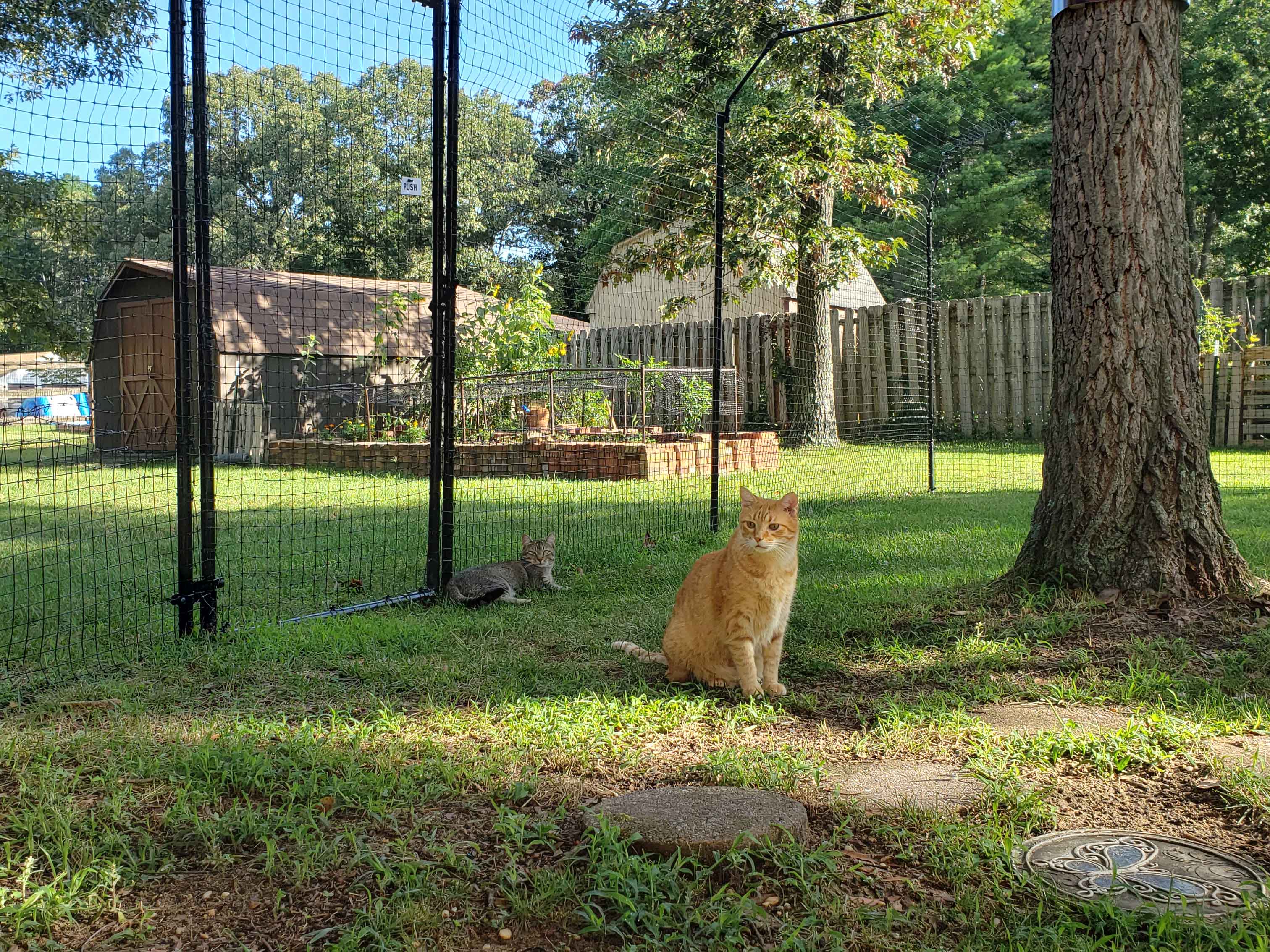
We’ve all heard the term "fat cat," which usually refers to a wealthy individual who throws dollars and pounds into the wind as if they were pennies. But in reality, the increasing number of overweight animals are becoming an epidemic issue in the USA, the UK and many other countries around the world. Obese cats and dogs are tipping the scales in greater numbers every day and the issue is becoming more alarming as time passes. According to some recent statistics, the growing pet obesity problem, especially in Britain, is leading to cats (and many other other companion animals) that will ultimately outweigh their healthier and leaner counterparts in just a few years. For example, vets in the UK are reporting 80% of animals they see in their daily practice are either overweight or obese and this includes dogs, rabbits, even rodents and many other household pets. The real problem is the fact that our furry felines and fluffy canines face the same type of health risks as humans do when it comes to being overweight or obese. These include the possibility of developing heart problems, the early onset of diabetes, arthritis, hormonal difficulties and many other preventable issues that can be avoided through increased exercise and dietary changes. Several resources are available to help pet owners get strategic about how to help their pet lose weight (or even prevent them from becoming overweight!). Some, like Excited Cats, can even put you in touch with veterinarians! Take It Outside The issue we have with most of our homebound pets, especially cats, is that while they’re safely confined indoors, they aren’t allowed to explore their predatory instincts of hunting and stalking. Unless your house has an insect or rodent problem, felines are left to another part of their basic, hereditary behaviors, being lazy and sedentary. On the other hand, male canines are well-known as the hunters inside their clan. Think about the long tradition of hunting dogs all over Europe throughout the centuries. Being bred for nothing more than this type of activity, even "ratters" from Norwich were meant to have a specific assignment to keep the rodent population under control. Without this responsibility, they’re becoming uninterested, bored and lethargic. Larger Animals Think about cats in the wild, or “big cats” as they’re often called, they usually spend their time napping, lounging around and "chilling" the vast majority of the time. But on the other hand, they still needed to hunt and capture their daily meal, which requires a great deal of activity and exercise. While male cats do the majority of napping and mating, the females do most of the hunting and caring for the litters, but each participates in outdoor activities on a daily level. Unless your indoor cat or dog shares these behavioral needs on an indoor level every day, they’ll simply lounge around and wait for the arrival of their next meal. Even if you play with your favorite four-legged friend on a daily level, they’re still not benefiting from many the rewards that can be found outdoors that include: Plenty of fresh air More exercise Stimulation An increase in vitamin D from the sun Interacting with nature While there are some downsides to being outdoors, mostly they come from dangers found with possible injuries that could occur from car accidents, becoming lost or stolen or being attacked by other animals. But fences, a watchful eye, and other offensive maneuverings can go a long way to get some much needed outdoor exercise for our animals. As always, you should check with your veterinarian before making drastic changes to your dog or cat’s dietary and exercise regime. But your animal’s doctor will likely agree that spending more time outdoors, giving them an increase in their outdoor activity levels and a better diet, will all ensure they spend more years with us.
Learn more
Cat Distemper Symptoms
Feline Panleukopenia AKA Feline Distemper Cat distemper symptoms are similar to those displayed when a dog is infected with Parvo virus. Feline Distemper virus in cats, also known as panleukopenia (PLV or panleuk); is most commonly transmitted through the exchange of fluids, contact with any virus contaminated area, insects, and excrements. Cat distemper symptoms of the virus are very similar to canine distemper. Feline Distemper in cats is most common in large groups (ferals, shelters, kittens etc) when there are no vaccinations for the virus given. It rapidly spreads and is supported in many different climates. Purrfect Fence offers a wide variety of health benefits from the physical to the emotional. One of the important factors to consider is how many different types of life-threatening obstacles your cat may face on a daily basis if not properly protected. Cat distemper symptoms are usually detectable ten days after infection. Symptoms of distemper are similar to any sickness and are an overall abnormal behavior. More specifically to determine cat distemper symptoms you should look for high fever, vomiting, anorexia, (abdominal pain from anorexia or hunched over position) and lethargy. The panleukopenia virus will also show a drop in white blood cell count, and can also be detected through finding antibodies in the blood. The panleukopenia virus can remain alive and contractible for years. It is shed by a previously infected cat for months after recovery. Purrfect Fence aids in the prevention of wandering which helps to reduce or eliminate the chances of spreading or passing infection of the feline distemper virus. Our systems encourage a safer distance from wildlife and stray or feral cats; offering an increased protection from this hearty panleukopenia virus. Purrfect Fence has been utilized in shelter situations to separate FELV/ FIV cats from healthy cats. Because these diseases spread in similar manners and share the same symptoms of feline distemper, vaccinations for all of these illnesses are preventative measures and essential for a safe and healthy cat. Although feline distemper is a curable illness, it like any other sickness should be cared for properly, quarantined if possible, and avoided thoroughly responsible ownership. Get started with your Purrfect Fence Enclosure!
Learn more